
The Effect of Emotions on Consumer Purchasing Behaviour
This dissertation quantifies the "sensory marketing" phenomenon by decoding the temporal dynamics of consumer sentiment. By integrating Hidden Markov Models (HMM) to capture latent state transitions and Linear Regression for quantitative validation, the project provides a robust framework for predicting purchase intent within high-involvement market segments.
Latent State Transition Dynamics
*Mapping non-observable emotional hidden states (categorized via Plutchik’s Wheel) to categorical purchase outcomes through a Markovian process.*
Hybrid Modeling Architecture
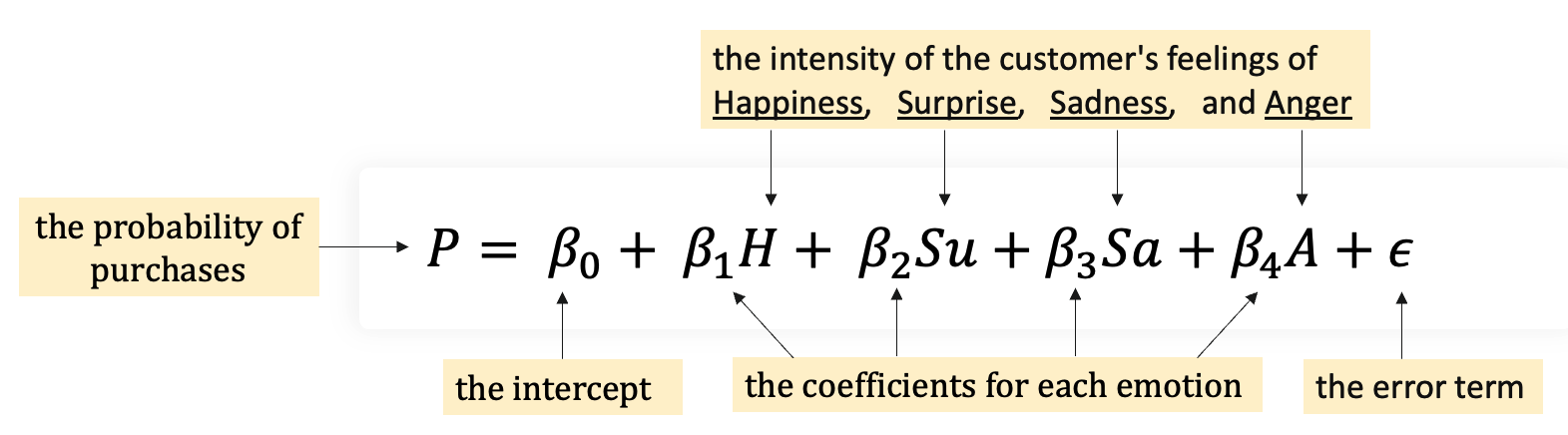
Quantitative Regression Analysis
- Impact Weighting: Determines exactly how much an increase in specific emotions, like Surprise, affects the final purchase probability.
- Sample Size Validation: Utilizes power analysis for model validation to ensure statistical significance of regression coefficients.
- Segmental Sensitivity: Evaluates how consumers with differing income levels respond to various marketing stimuli.
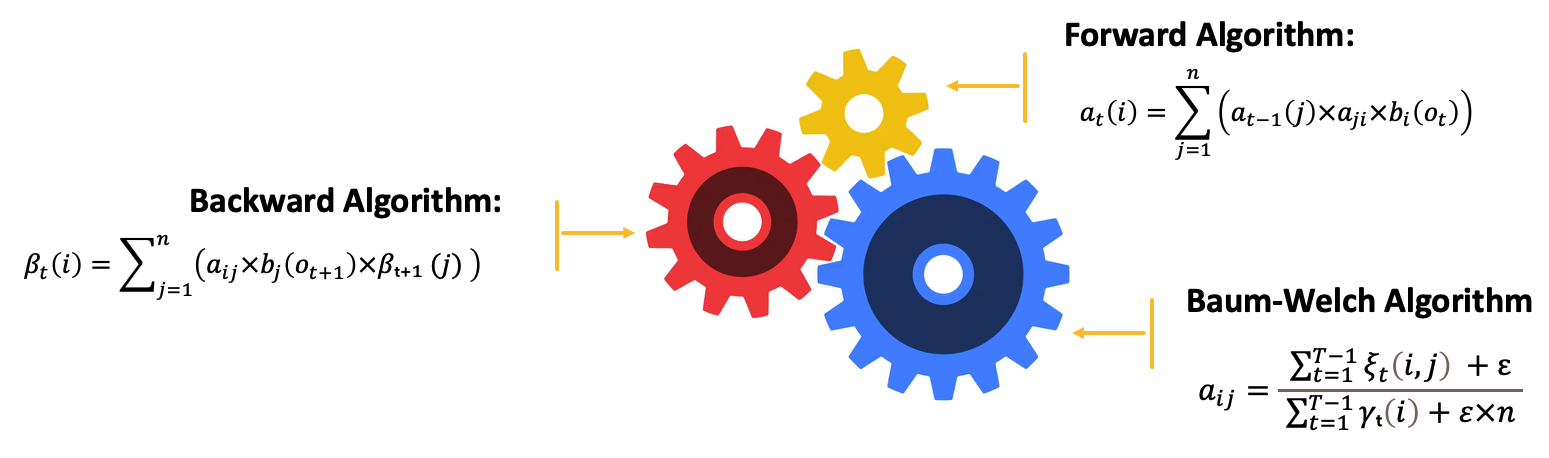
Hidden Markov Model (HMM)
- Transition Probabilities: Measures the likelihood of moving between emotional states.
- Emission Matrix: Bridges latent emotional states to observable data points.
- EM Algorithm: References Expectation-Maximization to refine model parameters.
Empirical Research Insights
High-Conversion Catalysts
Transitions into Happy and Expectancy states demonstrate the strongest statistical correlation.
Negative State Mitigation
Curiosity is a critical mediator that can neutralize the deterrent effects of Anger.
Temporal Trajectory
The sequence of emotions is a more robust predictor of behavior than static measurements.
Impulse State Triggers
Unexpected rewards disrupt logical defense mechanisms, triggering impulse states.
Derived from the 2024 EPQ Dissertation • Ryan Su © 2026